
The history of gambling tracing its evolution through the ages
Origins of Gambling in Ancient Civilizations
The history of gambling dates back thousands of years, with evidence of its practice found in ancient civilizations such as Mesopotamia, China, and Egypt. Archaeological discoveries indicate that early forms of gambling included dice games and betting on various events, reflecting the human desire for risk and reward. These initial activities were often intertwined with religious and cultural rituals, illustrating how gambling was not merely a pastime but a reflection of societal values. Today, exploring an online casino can connect players with the rich history of gaming.

In ancient China, around 2300 BC, the earliest known lottery was recorded, which aimed to raise funds for public projects. Meanwhile, in Mesopotamia, dice made from animal bones were commonly used for games of chance. Such early forms of gambling set the stage for more complex betting practices, paving the way for the evolution of gaming as we know it today.
The Rise of Gambling in the Middle Ages
During the Middle Ages, gambling became more organized and socially accepted across Europe. The establishment of card games and various types of betting took root in taverns and social gatherings. This era saw the emergence of gambling houses, which laid the groundwork for modern casinos. The proliferation of playing cards, believed to have originated in China, quickly spread across Europe, leading to the creation of a variety of games, including poker and blackjack.
With the Renaissance, gambling reached new heights of popularity. Monarchs and nobles often engaged in high-stakes games, and gambling became a symbol of social status. The invention of printing allowed for the mass production of playing cards, which further fueled the gambling culture. However, this period also brought challenges, as authorities began to impose regulations and restrictions on gambling activities, seeking to curb its excesses.
The Emergence of Modern Casinos
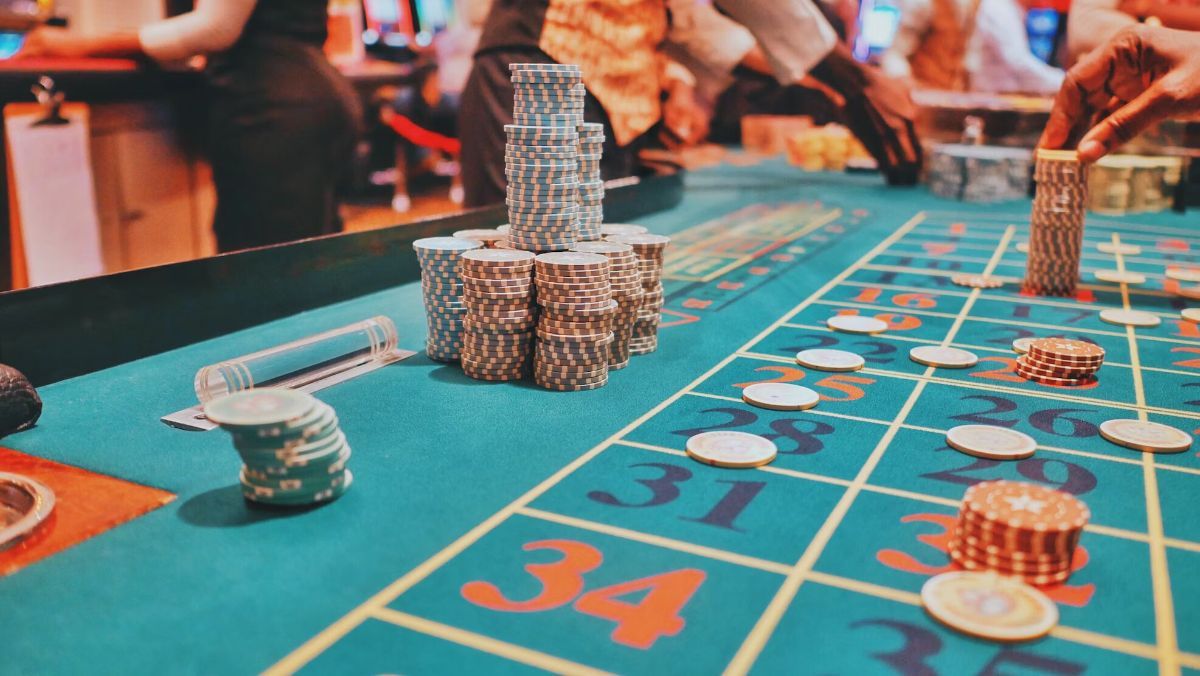
The 17th and 18th centuries marked a significant turning point in the history of gambling with the establishment of the first official casinos in Italy and France. The Casino di Venezia opened its doors in 1638, becoming a model for future gambling establishments. This era also witnessed the introduction of roulette, which remains one of the most iconic casino games today. As gambling venues became more luxurious and glamorous, they attracted a wider clientele, from the aristocracy to the common man.
By the 19th century, gambling had spread to America, where it quickly gained popularity, particularly during the Gold Rush. The development of Las Vegas in the 20th century transformed the gambling landscape, turning it into a global hub for gaming and entertainment. With lavish resorts and expansive casinos, Las Vegas became synonymous with gambling, drawing millions of visitors each year and solidifying its place in modern culture.
The Digital Revolution and Online Gambling
The late 20th century brought about the digital revolution, dramatically changing the landscape of gambling. The advent of the internet in the 1990s paved the way for online casinos, allowing players to enjoy their favorite games from the comfort of their homes. The first online casino launched in 1994, offering a limited selection of games. However, as technology advanced, so did the variety and quality of online gaming options, including live dealer games and mobile betting.
The rise of online gambling has created a global phenomenon, with millions of players engaging in virtual gaming. This shift has led to debates over regulation and responsible gaming, as the accessibility of online platforms raises concerns about addiction and financial risks. The increasing popularity of online casinos has also prompted traditional gambling establishments to adapt, incorporating digital options to remain competitive in an evolving market.
Exploring the Future of Gambling
As we look to the future, the gambling industry continues to evolve. Innovations in technology, such as virtual reality and blockchain, promise to reshape the gaming experience. These advancements aim to create more immersive environments and enhance security, providing players with a safer and more engaging platform. The integration of artificial intelligence is also set to revolutionize customer service and personalized gaming experiences.
Furthermore, the ongoing debate about the regulation of online gambling remains a pressing issue. As governments worldwide grapple with the challenges of taxation, consumer protection, and responsible gaming, the future of gambling will likely see a blend of traditional and modern practices. Whether one prefers the thrill of a brick-and-mortar casino or the convenience of online gaming, the evolution of gambling will continue to captivate enthusiasts across the globe.