
The Allure of Casino Games
The psychological appeal of casino games lies in their allure of excitement and the potential for reward. These games are meticulously designed to stimulate players’ senses and emotions, creating an immersive experience that is hard to resist. Elements like flashing lights, engaging sounds, and the thrill of risk can lead to an adrenaline rush, which further entices players to return for more. This sensory overload can distract from the financial implications of gambling, making players more likely to get swept up in the moment. Players often explore various platforms, such as california online casino, which also contribute to their gambling habits.
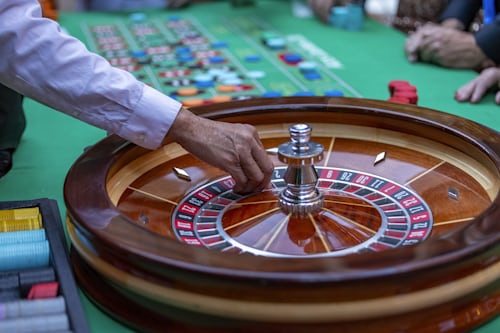
Additionally, the concept of near-misses, where players almost win but do not, enhances the psychological draw. This phenomenon creates a sense of hope and encourages continuous play, as players believe they are close to a big win. Such design aspects tap into the human instinct for reward-seeking behavior, making casino games particularly captivating.
The Role of Cognitive Biases
Cognitive biases play a significant role in how players perceive their experiences at casinos. One common bias is the illusion of control, where players believe they can influence the outcome of games that are fundamentally based on chance, such as slot machines or roulette. This illusion can drive players to engage in riskier behavior, as they take on the false confidence that their actions can lead to success. Such thinking can cloud judgment, leading to increased betting and extended play sessions.
Another powerful cognitive bias is the gambler’s fallacy, the mistaken belief that past outcomes affect future probabilities in games of chance. For instance, a player might think that if a particular number hasn’t come up in a game of roulette for a while, it is “due” to appear. This fallacy can lead to erratic betting patterns and a misunderstanding of odds, further illustrating how psychological factors impact player behavior.
The Emotional Rollercoaster of Gambling
The emotional journey of gambling can be a rollercoaster, filled with highs and lows that players experience throughout their gaming sessions. Winning can evoke feelings of exhilaration and joy, while losses can lead to frustration, guilt, or even anger. This emotional fluctuation is a key part of the gambling experience, and many players find themselves chasing the highs of their wins while attempting to recover losses, a phenomenon known as loss chasing.
This emotional aspect is compounded by the social environment of casinos, where interactions with other players and staff can amplify feelings of excitement or despair. The communal experience of gambling can intensify individual emotions, making the overall experience more powerful and often leading to a desire to return for additional sessions despite the associated risks.
The Impact of Environment on Player Behavior
The casino environment is specifically crafted to enhance player engagement and prolong their stay. From the layout of machines to the absence of clocks and windows, every element is designed to keep players immersed in the experience. This architectural strategy minimizes distractions and disorientation regarding time, encouraging more extended play periods. The seemingly constant flow of entertainment can make it challenging for players to leave, creating an addictive loop of participation.
Moreover, the presence of rewards and incentives, such as player loyalty programs and complimentary services, further encourages gambling behavior. Players may feel compelled to continue playing to gain these rewards, which can obscure the reality of their spending. The environment, in tandem with psychological principles, creates a potent mix that can lead to habitual gambling practices.

Understanding Responsible Gambling
While exploring the psychology behind casino games unveils the complexities of player behavior, it also highlights the importance of responsible gambling. Awareness of psychological triggers and cognitive biases can empower players to make informed decisions about their gambling habits. Setting limits, taking breaks, and understanding the odds can help mitigate negative outcomes associated with gambling.
In this context, resources and support for responsible gambling become essential. Engaging with educational materials and seeking assistance when needed can lead to healthier gambling practices. It is crucial for both players and operators to foster a culture of responsibility to ensure a safe and enjoyable gambling experience.